
Choosing Monologues That Suit Your Natural Casting Type
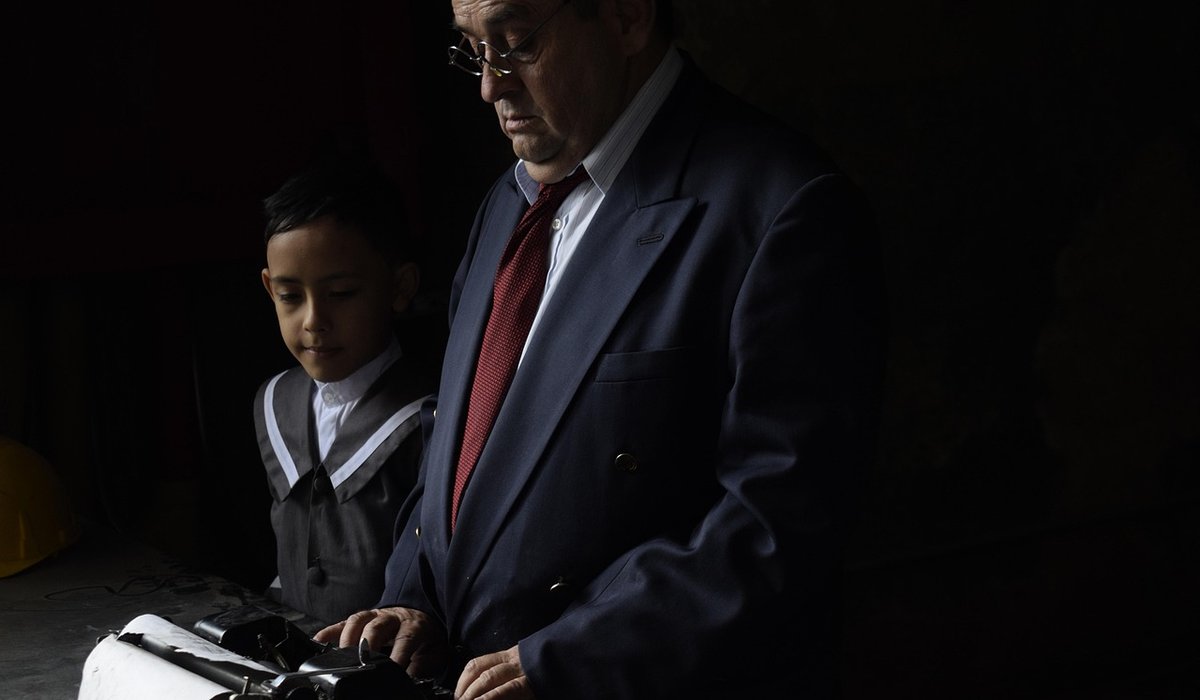
The relationship lives in the gaps between lines
Most of us learn our lines alone, in the kitchen, with the script propped against the kettle. That work is necessary, but it can quietly teach you that the scene is about you. On stage, the relationship between two characters is rarely carried by the speeches. It lives in the half-second after your partner stops talking: the flicker of the eyes, the breath that catches, the hand that stops halfway to a shoulder. Audiences read those moments faster than they read dialogue. If you are busy preparing your next line, they see two actors waiting for cues. If you are genuinely listening, they see a marriage, a feud, or a friendship that predates the play.
Building that takes three things: attention, invented history, and a small shared physical vocabulary. None of it requires a longer rehearsal period so much as a change in what you choose to rehearse.
Listen as though the line is news to you
The single most useful note a director can give an actor is: let it land. Every actor knows their cue, and the temptation is to pounce on it, particularly in amateur productions where rehearsal time is tight and everyone wants to look prepared. Resist it. Try a run-through where your only rule is that you must wait until the last syllable of your partner's line has properly arrived before you reply. The scene will slow by a second or two. That second is where the relationship appears.
Watch your eyeline as well. Real listening wanders — it flickers to a partner's hands, out of a window, back to the face. Two actors locked in unbroken eye contact for five minutes look like an exercise, not a couple. Decide where you look at the big moments: when you can't meet their eye, when you force yourself to. And please avoid mugging reactions towards the audience. A reaction shared with the stalls is a performance; a reaction offered to your partner is a relationship.
Invent a history the audience will never see
Before you block a single entrance, sit down with your scene partner — over a coffee, no script — and agree five facts about your characters that never appear in the text. Who borrowed money and never paid it back? Who was the favourite child? What is the one subject you never raise? What do you call each other when nobody else is listening? Who always arrives late, and who always pretends not to mind?
Write these down. Then improvise two minutes of the pair of you at breakfast, or waiting for a bus, using nothing but those facts. You will not perform this material, and that is the point. It simply gives your body something to remember when you walk on. Actors with a shared secret history hesitate in different places, protect different subjects, and touch each other with a familiarity that cannot be faked on the night.
Small physical habits that read from the back row
Audiences cannot see subtle emotional nuance from Row M, but they can see pattern and repetition. A tiny, repeatable habit does more work than a grand gesture. Agree a few with your partner and keep them consistent:
- A shared object. One character always takes the other's coat, finishes their tea, folds their newspaper. The prop becomes a barometer: when it stops happening, the audience feels the rift.
- Who touches whom, and when. Decide who initiates contact in act one and how that changes by act three. A hand on the arm that is suddenly withdrawn is worth a page of dialogue.
- Distance. Note your standing distances in rehearsal. Moving from two metres to half a metre across a scene is a visible event.
- A private gesture. A raised eyebrow, a tap on the wrist, a particular way of saying someone's name. Small, specific, repeated.
- Stillness together. Two people who can be silent in each other's company read as intimate. Resist the urge to fill every pause with business.
Keep these habits light. If a gesture feels like a piece of choreography you are performing rather than a behaviour you are having, it will read as fidgeting. Let the habits drift slightly from night to night, as real behaviour does.
Exercises that build the bond quickly
These work well in the first week of rehearsals, in pairs, before anyone is worried about being note-perfect:
- One-word stories. Build a story about your characters' past, one word at a time, with no planning.
- Back-to-back improvisation. Sit back to back and talk about a shared memory. Speak without seeing each other, then repeat the scene face to face.
- Silent scene. Run the scene with no words at all, or in nonsense language, so the relationship has to be carried by behaviour.
- The gift. Mime handing your partner an object. They must accept it and respond as if it were real. Then swap.
- Role swap. Play each other's part once. You will understand what your partner needs from you.
Keeping the relationship alive across the run
The danger after opening night is that the relationship sets like plaster. You know the shape of it, so you reproduce the shape rather than the feeling. Guard against it by checking in with your partner before each performance — two minutes, no notes about the play, just reconnecting as people. Let yourself notice their small variations and respond to them. If a line lands differently one night, react to the difference rather than ignoring it.
Finally, remember that the relationship belongs to both of you. If something is not working, say so kindly and specifically: "when you turn away on that line, I lose you" is far more useful than "that felt odd". Build it together, keep it small, and trust the audience to fill in the history you have quietly given them.
LEAVE A COMMENT